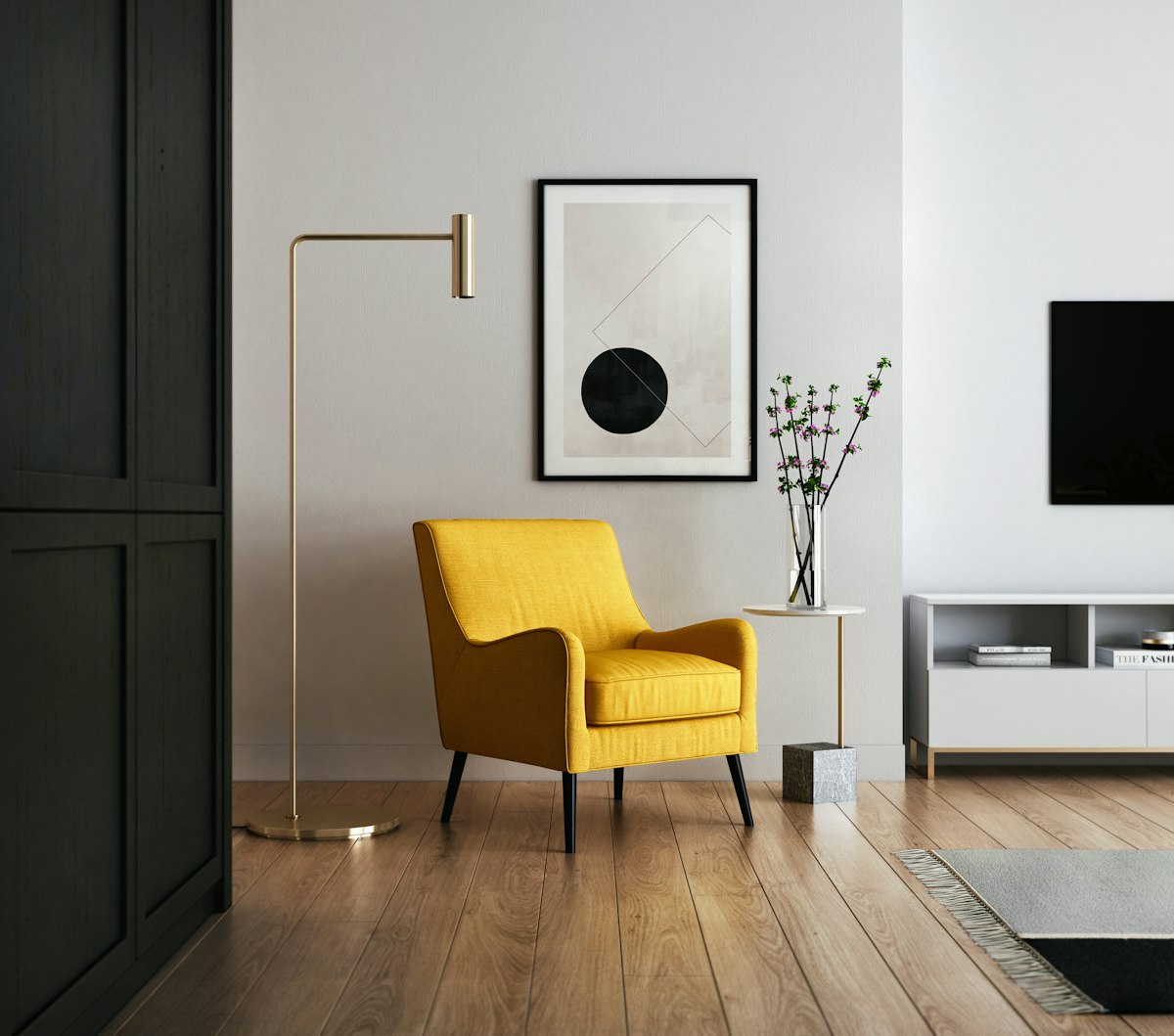
Japandi Wall Art: How to Create a Perfect Minimalist Home
SpudPrint Art Editorial
Japandi — the serene fusion of Japanese wabi-sabi and Scandinavian hygge — is the defining interior aesthetic of the decade. Learn how to choose wall art that honors this philosophy.
Japandi is not simply a design trend. It is a philosophy of living — a considered, intentional approach to the spaces we inhabit that draws from two of the world's most sophisticated design traditions. The word itself is a portmanteau of Japan and Scandinavia, but the concept runs far deeper than mere geographical fusion.
At its core, Japandi honors the Japanese principle of wabi-sabi — finding beauty in imperfection, impermanence, and incompleteness — and the Scandinavian concept of hygge — the art of cultivating warmth, comfort, and contentment in everyday life. The result is an interior aesthetic that feels simultaneously serene and deeply lived-in: spare without being cold, minimal without being empty, calm without being sterile.
Wall art is one of the most powerful tools for achieving an authentic Japandi aesthetic. Choose the wrong piece and it disrupts the carefully maintained visual quiet of the room. Choose the right piece and it becomes the soul of the space — an object of quiet contemplation that deepens over time.
The Principles of Japandi Wall Art
Before you begin selecting pieces, it helps to understand the underlying principles that should guide your choices.
Restraint over abundance. In a Japandi interior, a single beautifully chosen artwork carries more weight than a wall crowded with prints. The space around a piece is as meaningful as the piece itself — negative space is not emptiness, it is intentional breath.
Natural materials and organic forms. Japandi art tends toward representations of the natural world: branches, water, mountains, botanical elements, animals in repose. Abstract work is also welcome when it evokes natural forces — the movement of wind across water, the texture of stone, the layering of sediment.
Muted, natural palettes. The Japandi color vocabulary is drawn from nature: warm whites, soft greys, warm taupes, deep charcoals, muted sage, terracotta, and indigo. Art that speaks this language integrates seamlessly; art that introduces aggressive primaries disrupts the harmony.
Craftsmanship and intentionality. Every object in a Japandi interior is chosen with care. Art should feel genuinely made — with visible brushwork, considered composition, and a sense that a human hand and mind were fully present in its creation.
Wall Art Styles That Embody Japandi
Sumi-e Inspired Brush Paintings
The ancient Japanese art of sumi-e — ink wash painting — is perhaps the most natural fit for a Japandi interior. These works, rendered in black ink on white paper or rice paper, use minimal marks to suggest entire landscapes, single branches of blossoming cherry, a bird in flight. The philosophy of sumi-e — that what is left unpainted is as important as what is painted — is the philosophy of Japandi itself.
SpudPrint Art's Japanese and Japandi wall art collection offers a beautifully curated range of prints in this tradition, from classic sumi-e inspired works to contemporary interpretations that feel entirely of the moment.
Botanical Line Art
Delicate illustrations of botanical subjects — a single stem, an arrangement of dried grasses, a botanical study of a specific plant — rendered in fine lines on cream or white backgrounds are enormously versatile in Japandi interiors. They bring the natural world inside without competing with it.
Abstract Landscape Art
Abstract works that evoke landscape without depicting it literally — layered horizontal bands suggesting horizon and sky, gestural marks evoking wind through grass — work beautifully within the Japandi framework. Look for work that uses a limited palette and favors texture and restraint over expressionistic drama.
Calligraphic Works
Japanese calligraphy transformed into wall art carries both visual and philosophical weight. The characters themselves are artfully formed, but the meaning they carry adds another layer of resonance that Western guests often find intriguing and beautiful. Haiku rendered in calligraphy, or single kanji characters for concepts like peace, breath, or mountain, function as both visual art and quiet daily affirmations.
How to Hang Japandi Wall Art
The single statement piece. The Japandi approach typically favors one carefully chosen piece per wall rather than a gallery arrangement. Allow the artwork to stand alone, surrounded by significant breathing room.
Height and proportion. Art hung at true eye level (approximately 57–60 inches from floor to center of piece) feels grounded and considered. In a Japandi interior, avoid hanging art too high — it creates disconnection rather than harmony.
Frame selection. Frames should be simple and made from natural materials: unbleached oak, walnut, or simple matte black. Avoid ornate frames, gilding, or anything that draws attention to itself rather than the artwork.
Placement in relation to furniture. Japandi art typically relates intimately to the furniture beneath it. A single piece centered above a low console table, a bench, or a platform bed creates a composed, altar-like arrangement that feels deeply intentional.
Curating a Japandi Art Collection Over Time
One of the most beautiful aspects of the Japandi philosophy is its patience. You do not furnish and decorate a Japandi home all at once — you accumulate it slowly, deliberately, choosing each piece only when you encounter something that genuinely moves you.
This applies equally to wall art. Rather than filling every wall immediately, live in your space and notice where your eye naturally falls, what walls feel bare in a way that calls for something, and what visual qualities you find yourself returning to again and again.
SpudPrint Art adds new designs regularly to their new arrivals collection, which makes it worth returning periodically to see what resonates. The patience of the search is itself part of the Japandi practice.
Creating a Japandi Gallery Arrangement
On occasions when a single piece is insufficient — a large, open wall in a loft-style space, for instance — a Japandi gallery arrangement follows different rules than a conventional gallery wall.
Choose pieces that share a family resemblance: similar palettes, similar subject matter, or similar visual language. Leave generous space between them — more space than feels comfortable at first. Use identical or closely related frames. Align pieces with care, along a shared centerline or baseline.
The result should feel like a curated museum display rather than a domestic assemblage.
The SpudPrint Japandi Collection
For those new to Japandi design or looking to expand an existing collection, SpudPrint Art's Japandi wall art collection is an ideal starting point. The pieces are selected for their compatibility with the Japandi aesthetic — muted palettes, natural subjects, considered compositions — and the print quality reflects a genuine commitment to archival standards.
Pair pieces from this collection with natural linen textiles, low wooden furniture, handmade ceramic objects, and living botanicals to create a space that embodies the full Japandi philosophy.
In a world of overstimulation and visual clutter, the quiet intelligence of a perfectly chosen Japandi wall art piece is one of the most meaningful investments you can make in your daily environment.
Ready to Shop?
Find Your Perfect Print at SpudPrint Art
Premium archival prints delivered to your door. Free shipping available on orders over $50.
Shop SpudPrint Art →